The Dangers of Getting into Bitcoin
| If you find WORDS helpful, Bitcoin donations are unnecessary but appreciated. Our goal is to spread and preserve Bitcoin writings for future generations. Read more. | Make a Donation |
The Dangers of Getting into Bitcoin
By dk_bitcoin
Posted June 4, 2019
Hello again.
Two months ago I wrote a guide for Getting into Bitcoin, explaining the 7 core rules, that I believe everyone needs to learn before deciding to buy any amount of bitcoin. My intention was to help newcomers and I have been very pleased by the feedback.
Getting into Bitcoin.
I just had to reply to the question “How do I get into Bitcoin?” for the 100th time and I decided to celebrate it with…
medium.com
I was shocked by the number of people,that messaged me starting with: “Hey, I read your article” and ended with “I have some money on Coinbase and some crypto on Binance and I am not sure what to buy, what to sell, can you help me?”. After reading all of these messages I got so angry at myself, felt so guilty for students of mine slipping in shitcoinery, that I almost decided to stop writing articles. In the Getting into Bitcoin guide I did my best to be very clear about the reason behind every piece of advice, but I guess the article was too long. Maybe people only read the sentences that contained $, % and “buy Bitcoin”.
I will give it another go.
TL;DR for people in a rush to buy Bitcoin, but too lazy to read:
- Download BitWallet for iOS or Samourai Wallet for Android or Wasabi Wallet for MacOS and Linux. Open the app and follow the instructions. Back up the 24 words on paper(!). Select “HD wallet” and “SegWit” options if prompted. If you are using Windows do not ever store any sensitive information, including your bitcoin, on your computer.
- Buy Bitcoin from Solidi.co or fastbitcoins.com or contact me. Do not send photos of your ID or passport to big, centralised exchanges(!). The government should not know that you have bitcoin. As few people as possible should now about it. Withdraw your bitcoin to your wallet as soon as you buy it.
- Read the rest of this article! Learn about Bitcoin privacy and security from my other articles or from any of these great sources: bitcoin.org/en/resources, lopp.net/bitcoin-information, bitcoin-only.com
Expanded version:
1. Understand “what Bitcoin is” and why you are buying it!
Bitcoin is the only single thing in your life that no one can take away from you. People, governments and institutions can seize your home, your car and your money (both physical cash and the digital balance held by your bank). They can even take away your freedom, but no one can take away your bitcoin. Ever. As long as you truly have it, meaning you are holding the private keys yourself.
There are people who can also take away your cryptocurrency; digital fiat tokens (USDT, TrueUSD), digital money, your PayPal account, facebook coin, Ripple coin, and other shitcoins, called “crypto”, regardless if they are using blockchain or not, because they are not decenralised and definitely not censorship-resistant.
This is what makes Bitcoin different from “crypto” and makes it sound money. On exchanges you will see hundreds of centralised tokens, many of which have been created for free and are sold to you for bitcoin. The money from selling them goes back into fancy advertisements, seminars, YouTube videos and other means of spreading lies about the projects. Since there is no barrier to entry everyone can buy them without having any understanding of the technology.
Jimmy Song on The Blockchain Revolution Myth
Interview location: Oslo Interview date: Wednesday 29th May, 2019 Company: Jimmy Song Consulting Role: Bitcoin Expert…
www.whatbitcoindid.com
Regulation is lagging 10 years and the legislators still don’t know what the purpose of blockchain is and when it makes sense for it to be used instead of a standard SQL database. People buy the tokens for speculation and this causes their price to go up, which makes more people buy them. The creators will try to convince you, that their project is decentralised and secure, but if you do your research (!) you will find out that:
Ethereum (ETH) got rolled back because the developers decided so. Hundreds of people lost the ETH they had in their wallets even though they had their private keys themselves. They had custody of a token on a non-immutable ledger.
Ethereum Classic (ETC), which was the original Ethereum, also got 51% attacked and rolled back.
ZenCash (ZEN), the copy of ZCash (ZEC), got rolled back, hundreds of people lost their balances.
Bitcoin Cash (BCH) got rolled back, tens of people lost their BCH. Not many, since no one is really using it. Roger Ver, the scammer behind the project, is faking 50% of the network activity. But some people still buy it, regardless.
Bitcoin Gold (BTG) got 51% attacked and rolled back as well. Someone got $18 000 000 from doing so. The hacker stole this value from all the people that were holding BTG, believing that something can be GPU mined and secure at the same time.
Verge (SVG) got rolled back 3 times within 2 weeks. And all thanks to their “innovative multi-algo mining mechanism”. The developers promoted it as being much more secure and decentralised than Bitcoin, but it turned out to be garbage. What a surprise. The shocking thing is that people are still trading it, and the price is not 0, which shows that there is a lot of manipulation going on and the price of a shitcoin is not a good metric of it’s utility.
With shitcoins you always need to specify the ticker, the three letters that mark it on exchanges, because they try to mislead people by copying not just the codebase of another token, but also the name.
The list goes on. Search for “cryptocurrency 51% attack” and see them all if you want. The point is that there are two types of shitcoins: ones that have been rolled back and are proven to be garbage, and others that haven’t been rolled back yet because they are so insignificant and worthless, that no one bothers. There is no financial incentive, big enough, for someone to waste their time on wrecking a low cap, low liquidity “cryptocurrency”. It’s like robbing an abandoned old house.
Bitcoin cannot get rolled back,
because to do so will require the amount of energy of all the power plants in a few small countries, together. It is technically feasible, but practically infeasible. The attacker will destroy an insane amount of value, and there is no way for anyone to profit from such an attack more than it would cost them to do it.
When people profit from 51% attacks they deposit some shitcoin on an exchange, sell it for bitcoin and withdraw the bitcoin. After that they roll back the shitcoin transaction and they have both the bitcoin and the shitcoin. The profit is in bitcoin, not in fiat. If you attack Bitcoin you cannot withdraw your profit in bitcoin, so an attack doesn’t make sense.
2. Don’t give access to your bitcoin to anyone! Keep it safe yourself.
Bitcoin is a bearer instrument. Imagine it as a unique audio record with great value. Store it on your own computer and you have it, but if you get hacked someone can steal it. Store it on a flash drive and you can lose it (or someone can steal the flash drive). You need to have it encrypted and you need to have backups of the access keys (private keys). No one can decrypt it and spend it without the password. If you upload this special audio file in Dropbox or Google Drive you do not have it any more! It is not yours. You can see it when you log in to your account, but they have it and they can take it away from you.
Having bitcoin means being the only person that can spend it. If your bitcoin is on Coinbase or Binance, you only have a promise and hope that it will still be there tomorrow — just like a bank account, but less safe. Exchanges get hacked all the time and people’s coins get stolen. When your bitcoin is on an exchange, if the website goes down or your internet connection goes down, you lose access to it.
There is a radio wave network being build at the moment, that will allow you to send and receive bitcoin transactions without an internet connection. Bitcoin transactions are data and can be transmitted in many ways, not just via the internet. Sending bitcoin is like sending a message, you can do so with smoke signals, but it will take longer and someone will have to decode the signals and broadcast them to the other participants of the network, called nodes.
If you have a file on your phone, you can still send it with Bluetooth even if you don’t have internet, but if the file is “in the cloud”, which essentially means on someone else’s computer, you need internet to access it. Same with your bitcoin.
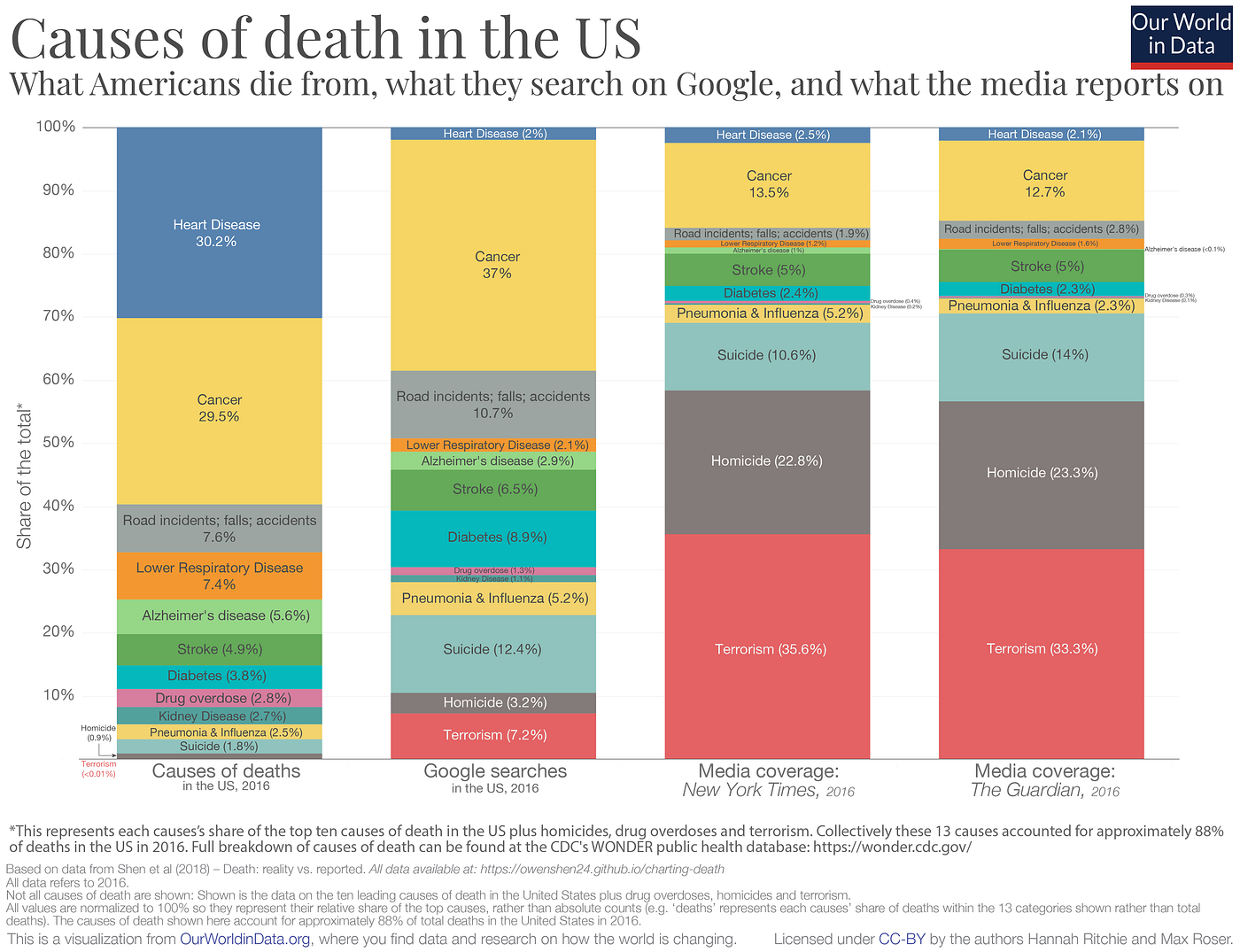
Another thing to remember is that Bitcoin is challenging the greatest power of all governments, the control over money. You never know what regulations can come upon it tomorrow or next week. Governments have spread all sorts of misinformation about it already. They have called it “drug money”, a tool for human trafficking, money laundering and the worst of all — terrorism! The last one is the word, that they love to use as justification for taking away human freedoms.
In some countries Bitcoin became illegal over-night and was seized from people’s exchange accounts in the morning.
Bulgaria seized 213.000 Bitcoins worth $3 Billion, They Realized This Could Pay Off 1/5 of National…
Bulgarian government didn’t have it even in their wildest dreams that BitCoin could help them get out of a national…
www.slavorum.org
The complete story of the QuadrigaCX $190 million scandal
It was not your average exchange hack. This is a tale of changing identities, a marriage, a last-minute will and the…
decrypt.co
If you don’t want this to happen to you, don’t give your bitcoin to a company to store it for you. Also, don’t tell your government that you own any. Do not trigger tax events with it. Don’t provoke them to investigate you for money laundering 5 or 10 years away from now by linking your passport to a bitcoin purchase from a surveillance company like Coinbase. These companies will report everything to the government and you are likely to get pulled aside at the airport next time you are flying to a non bitcoin-friendly country, as soon as they scan your passport. We live in a world with close to no digital privacy and Bitcoin, being digital, can suffer a lot from this, so please learn how to protect your bitcoin’s privacy before you buy any.
Which leads to the next point:

3. How to store your bitcoin yourself, safely.
This is my previous article about storing bitcoin.
How to secure your bitcoin?
Desktop wallets, mobile wallets, hardware wallets and more.
medium.com
It is a bit long and detailed so I will summarise here:
When you buy your bitcoin, withdraw it as soon as possible. Leaving it on the exchange could get you in trouble down the road, because if the price goes up while it’s there, which it tends to do a lot, you will trigger a taxable event when you withdraw it. You do not want to be investigated for tax evasion! When you send bitcoin from one address to another, the government doesn’t know if the bitcoin changed ownership, so they expect you to pay them tax on every transaction. They can’t know if you sent it to someone on the other side of the planet, or if you sent it to your other wallet, since all addresses are pseudonymous. If you buy your bitcoin anonymously and you protect your transaction privacy, you can move it as much as you want, you can even sell it to someone for fiat cash, and no one will know that this transaction on the blockchain was yours.
If you have an iPhone, download BitWallet from the App Store.
If you have an Android device, download Samourai Wallet from the Play store.
Open the app, follow the instructions. Write the 24 word seed on paper.
Don’t cheat, don’t write them on your computer, because Windows has built-in key logger and every key stroke gets submitted to Microsoft. You don’t want them to have a copy of your seed and to be able to take your bitcoin. Don’t write them on your phone because the iOS keyboard sends all keystrokes to Apple and the Android keyboard sends all keystrokes to Google “to improve text prediction”.
The seed is a set of words, unique to your wallet, that can be used to generate your private keys and their receiving addresses, when imported. If you lose your phone, you can regenerate the wallet and restore control over the bitcoin you own on another device, using the same seed. If someone finds your seed and imports it in their wallet, they can spend your bitcoin.
When setting up the wallet always choose “HD wallet”. It stands for “Hierarchical Deterministic” and it means that you can have millions of addresses derived from the same seed, so you don’t have to back up every address one by one.
Back in 2013 people had to back up addresses one by one and in 2010 they didn’t even have seed words, they had to back up the private key itself, a string of characters like aflsdjfalsdgjlsdhnfkljdslkfjaldksjfsdkjf. Not so convenient to write down or read on paper.
Also always choose SegWit. It is another big improvement of the Bitcoin protocol, which will make your transactions a lot cheaper and the network more secure.
Understanding Segregated Witness
Segregated Witness (SegWit, for short) is scheduled to “lock in” within 24 hours and activate in about two weeks. Not…
segwit.org
Mobile wallets are far from ideal.
Security-wise they are fine, as long as you don’t download games and shady apps on your device. Remove all the apps that you are not using. A big down-side of these wallets is that you can’t link them to a trusted node (a copy of the blockchain), so whoever they link to for fetching data and updating your balance, will know your addresses and how much bitcoin you have. Also, if the wallet provider’s node goes offline you won’t be able to spend your bitcoin, so you will have to find that piece of paper with the seed and import it in another wallet, that connects to another node, that is not offline.
Ideally you will run your own node and use it for your wallet. I will write a guide in the future on setting up one at home, but if you are in a rush contact me on Twitter.
If you have more than £1000 worth of bitcoin buy a hardware wallet.
Trezor is the cheaper and uglier one but it works just as good. It sells for around £50 on Amazon. If you can spare £80 and you care about the looks, check out Ledger, but the old one, without Bluetooth. You want as few attack vectors and security threats as possible for your hardware device.
If you get a hardware wallet DO NOT USE THE DEFAULT WALLET SOFTWARE for the same reasons you should not use mobile wallets.
Use Wasabi Wallet instead.
Wasabi Wallet - Reclaim your privacy
However, “anonymity loves company”, the more participants there are, the better your privacy is, and the faster the…
www.wasabiwallet.io
You can use it without a hardware wallet device as well, but I would not advise the average user to do so on a Windows computer. On a Mac or Linux computer, sure, just don’t trust it with all of your bitcoin. If you have more than you can afford to lose, hardware wallets are the way to go.
The wallet is famous for it’s great privacy functionality - creating coinjoin transactions, which can “recast” your bitcoin into new, clean, untainted outputs of 0.1 BTC. Imagine a group of people have dirty money. They got them from Coinbase and each “banknote” (bitcoin UTXO) is linked to the owner’s passport. The people use Wasabi Wallet to put their money in a bucket and it turns all the different notes, £50, £20, £10, £5 to identical £10 notes that are not linked to anyone’s passport. After that everyone takes as much money as they put in, but the tainted banknotes don’t exist any more, the people take the equivalent value in brand new, clean, £10 notes.
You can learn more here:
4. Don’t link your bitcoin to your identity!
This one is hard to do. Unless you buy it in person, you will have to go under some form of KYC verification. Send a photo of ID or passport, proof of address etc. The best you can do is check for a FastBitcoins location near you.
Their service is the best anonymous option I have ever used. You pay cash at the store, get a voucher and you claim it on their website by providing the bitcoin address where you want them to deposit the bitcoin. Simple.
If you don’t have FastBitcoins location near you, then use a small peer-to-peer exchange. The major centralised exchanges are pressured by the government and the three-letter agencies to give access to all of their customer data, so they should be avoided. A smaller one is likely to be safer for you and being peer-to-peer means that you will send the money to another person that is not affiliated with the company, and the platform will only act as a moderator of the transaction. The best one in UK is Solidi.co
https://solidi.co/register1?referrer=JRIQGI
If you use this link you will get £5 bonus after buying bitcoin for £100 or more. They also sell Litecoin but I would not advise you to buy any if you are not into gambling, because it’s purpose is only speculation. Bitcoin can do everything that Litecoin does, but better. Litecoin can go up in price faster, because it has smaller market, so it is easier to manipulate, but it can also go down without any obvious reason, since it doesn’t really have a function. I have expressed my thoughts here:
Withdraw after you buy.
Awesome. You own bitcoin now.
Listen to this episode from Stephan Livera’s podcast in which you can learn a lot about maintaining good privacy with Bitcoin.
SLP58 Chris Belcher - Defending Bitcoin Privacy
Chris Belcher, Bitcoin Privacy OG (JoinMarket, Electrum Personal Server) joins me in this must listen episode on…
stephanlivera.com
If you have any questions, that I didn’t cover, and you don’t want to spend hours reading books or websites on the topic, or even to watch YouTube videos, and you prefer just asking a person, get in touch with me on Twitter and we can book a video call. I do consulting for a small group of people, that are looking to secure their savings in an unconfiscatable manner. I teach them about Operational Security (OpSec), Online Surveillance, Privacy Protection and I have decent experience explaining these stuff to newbies. I always offer 15 min call for free, so that you can ensure you are getting value out of it before you pay me anything.
You can learn a lot in 15 min, so make use of the offer, even if you are not planning to pay for this type of knowledge. For me, the more people understand these stuff, the better world I live in.
To learn more about the best time to start buying and the statistically most efficient way to build up your bitcoin savings, check out this article:
When is the best time to buy bitcoin?
Dollar-cost averaging, Mayer’s multiple and the mathematics behind the most efficient way to build up your bitcoin…
medium.com
Notes about me.
This is one of my first articles ever. I am not a native English speaker and I hope the trolls don’t eat me alive for some grammar mistakes that I have probably made.
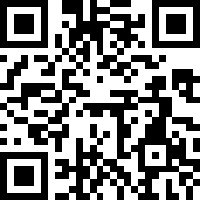
3AnT8rhzcSXvcUt3HaY79tJnwSkBrbD553
If you want to learn more about me here is my short story.
Check it out if you want to find out how I can be helpful to you. Tip me a few satoshis if you learned something from me. Cheers. :)